/GMT-UI design system
Year
2026
Category
Design Systems · UX/UI Design · Product Design
/GMT-UI design system
Year
2026
Category
Design Systems · UX/UI Design · Product Design
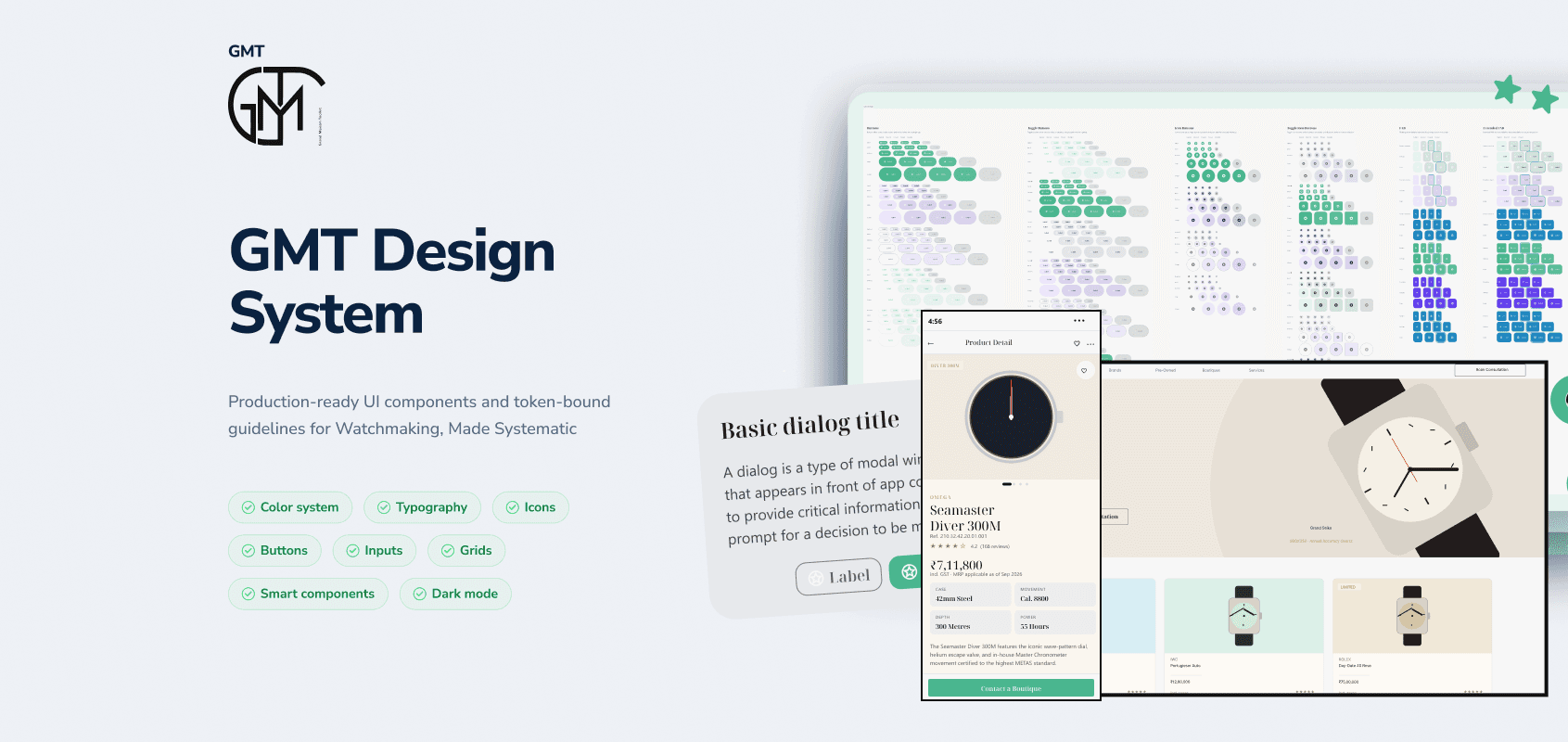
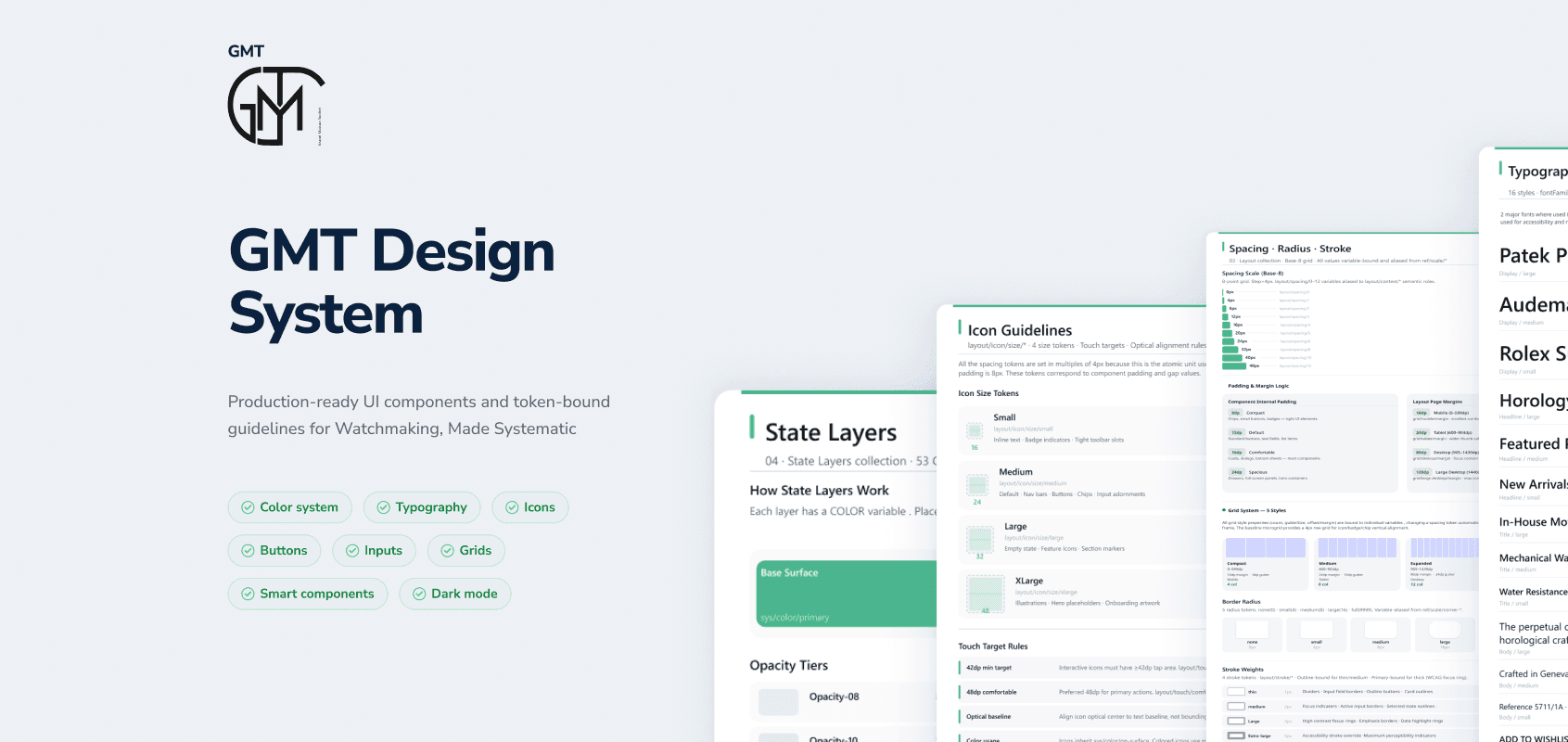
> GMT is a design system created to unify digital experiences across the watchmaking ecosystem, including boutique platforms, resale interfaces, and service portals. The goal was to establish a consistent and scalable visual language that reflects the precision and craftsmanship of the industry.
> By combining tokens, components, and clear guidelines, GMT creates a scalable foundation that reflects the precision and craftsmanship of the product itself.
> GMT is a design system created to unify digital experiences across the watchmaking ecosystem, including boutique platforms, resale interfaces, and service portals. The goal was to establish a consistent and scalable visual language that reflects the precision and craftsmanship of the industry.
> By combining tokens, components, and clear guidelines, GMT creates a scalable foundation that reflects the precision and craftsmanship of the product itself.
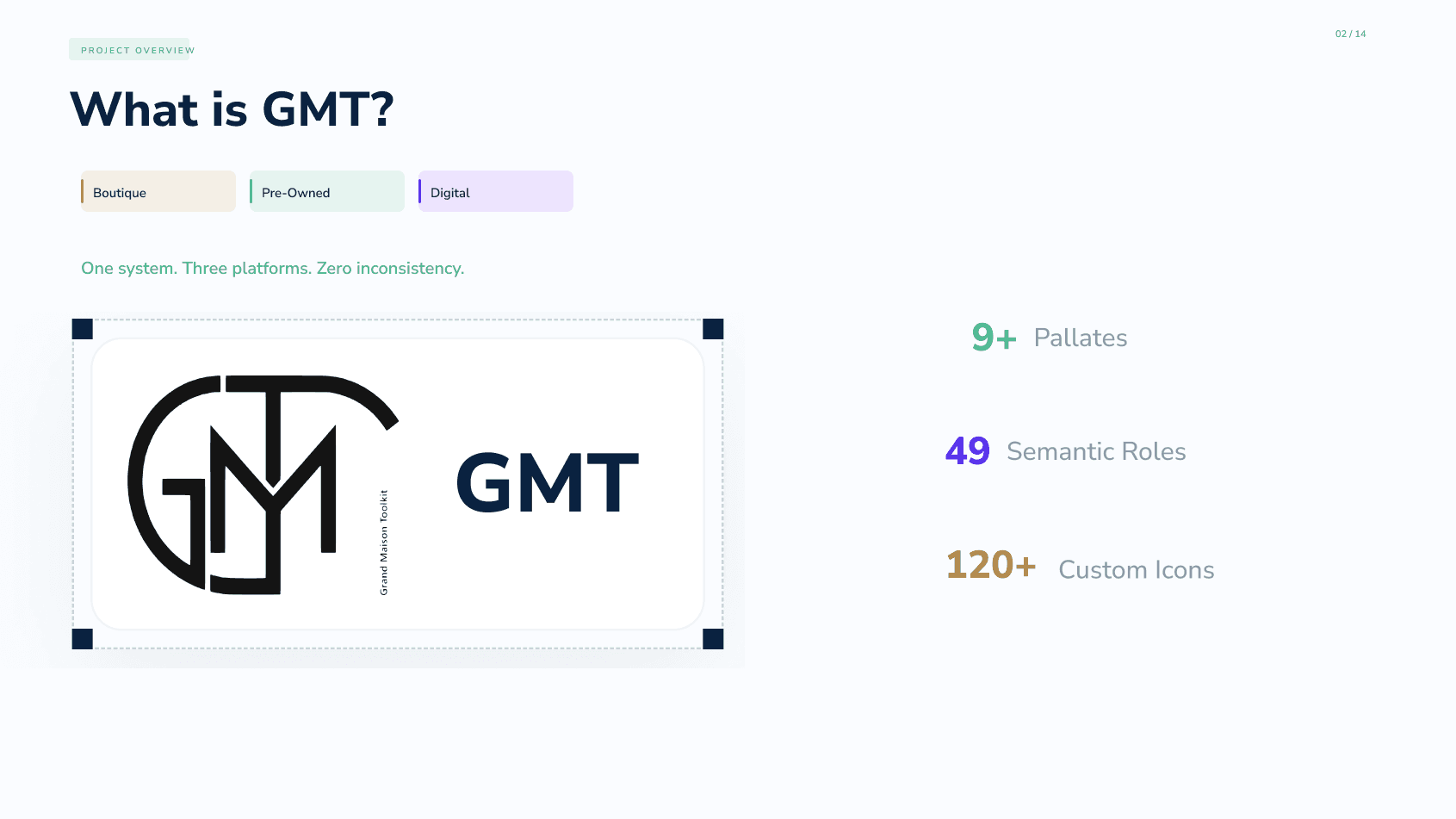
> Digital experiences within the watch ecosystem were fragmented, with each platform following its own design patterns and standards. This inconsistency created inefficiencies for teams and disrupted the overall user experience. there were
Interfaces following different patterns
No shared system for decision-making
Repeated design efforts across teams
Gaps between physical product precision and digital experience
> This led to The challenge of creating a system that ensures consistency while remaining flexible enough to adapt across different contexts.
> Digital experiences within the watch ecosystem were fragmented, with each platform following its own design patterns and standards. This inconsistency created inefficiencies for teams and disrupted the overall user experience. there were
Interfaces following different patterns
No shared system for decision-making
Repeated design efforts across teams
Gaps between physical product precision and digital experience
> This led to The challenge of creating a system that ensures consistency while remaining flexible enough to adapt across different contexts.
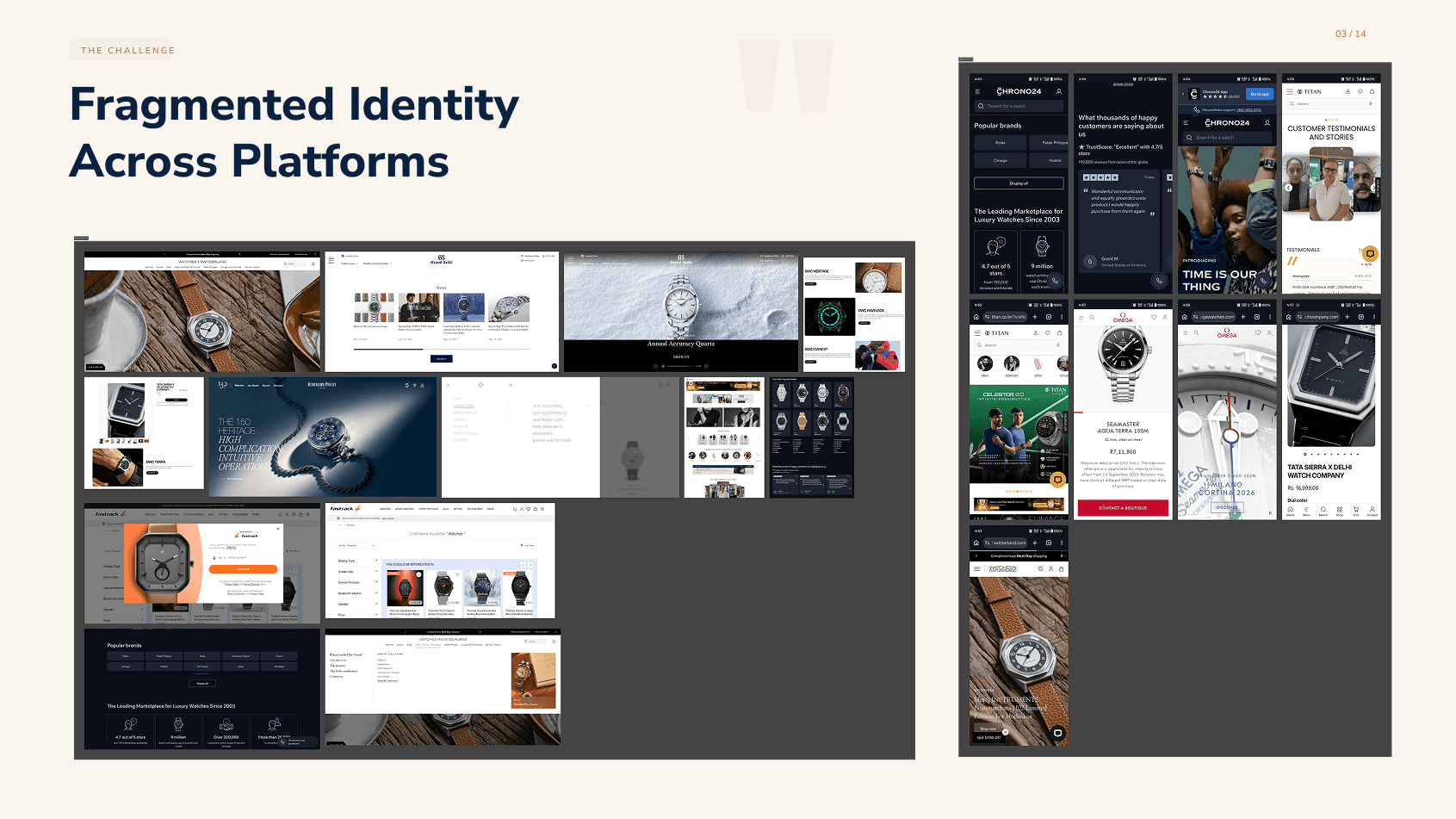
> The process began with a detailed audit of existing platforms to uncover inconsistencies, repeated patterns, and gaps in design logic. These insights informed the creation of foundational tokens and structural rules that could scale across products.
> From there, visual and interaction standards were aligned to establish a consistent language, followed by the development of modular components to reduce redundancy. The system was continuously tested within real product scenarios, ensuring it remained practical, adaptable, and reliable.
> The process began with a detailed audit of existing platforms to uncover inconsistencies, repeated patterns, and gaps in design logic. These insights informed the creation of foundational tokens and structural rules that could scale across products.
> From there, visual and interaction standards were aligned to establish a consistent language, followed by the development of modular components to reduce redundancy. The system was continuously tested within real product scenarios, ensuring it remained practical, adaptable, and reliable.
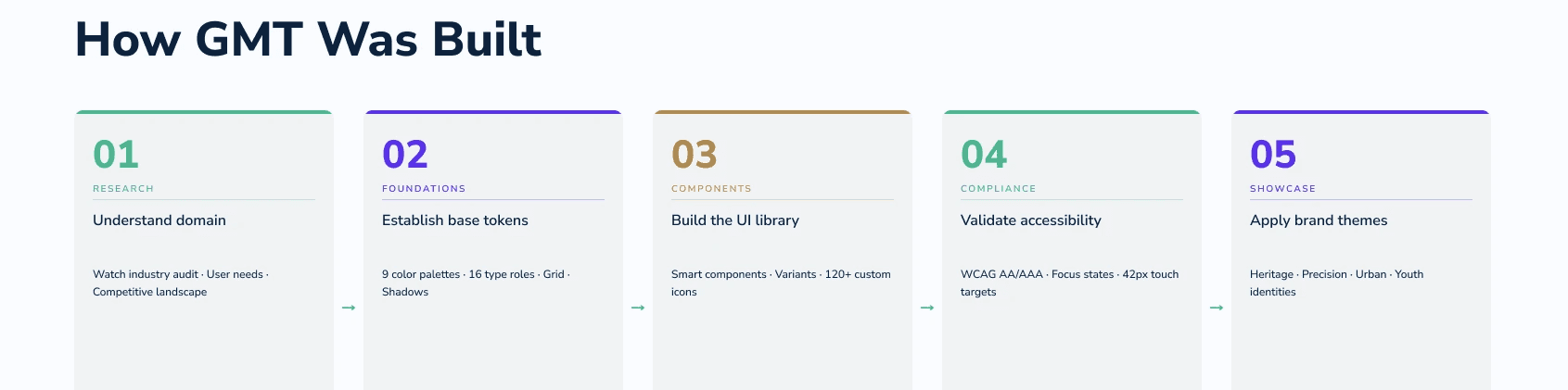
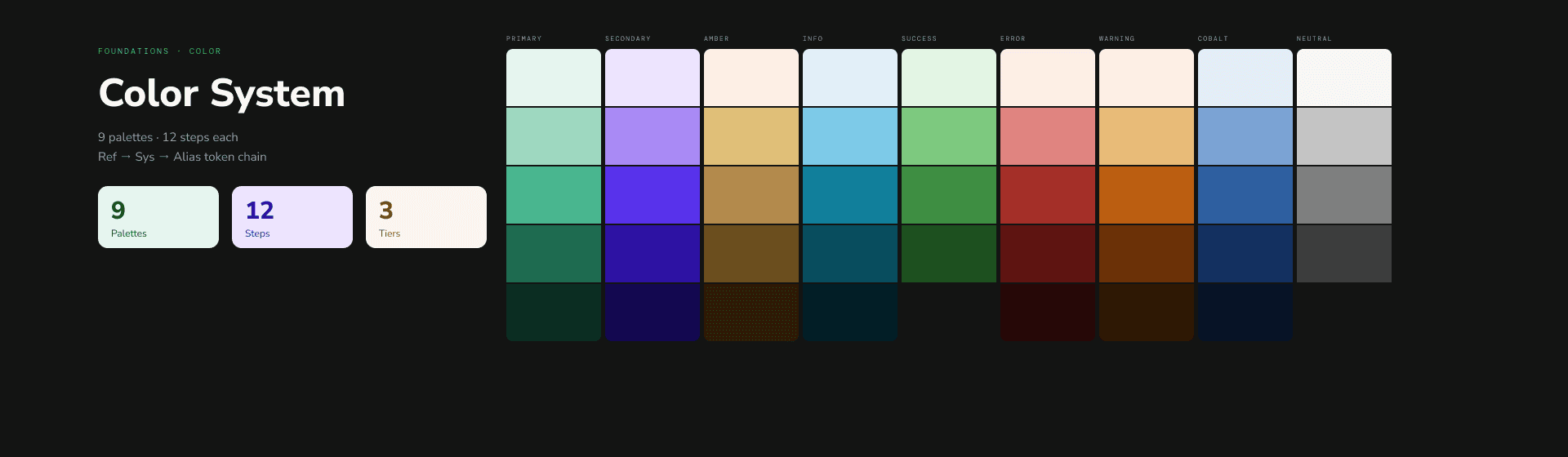
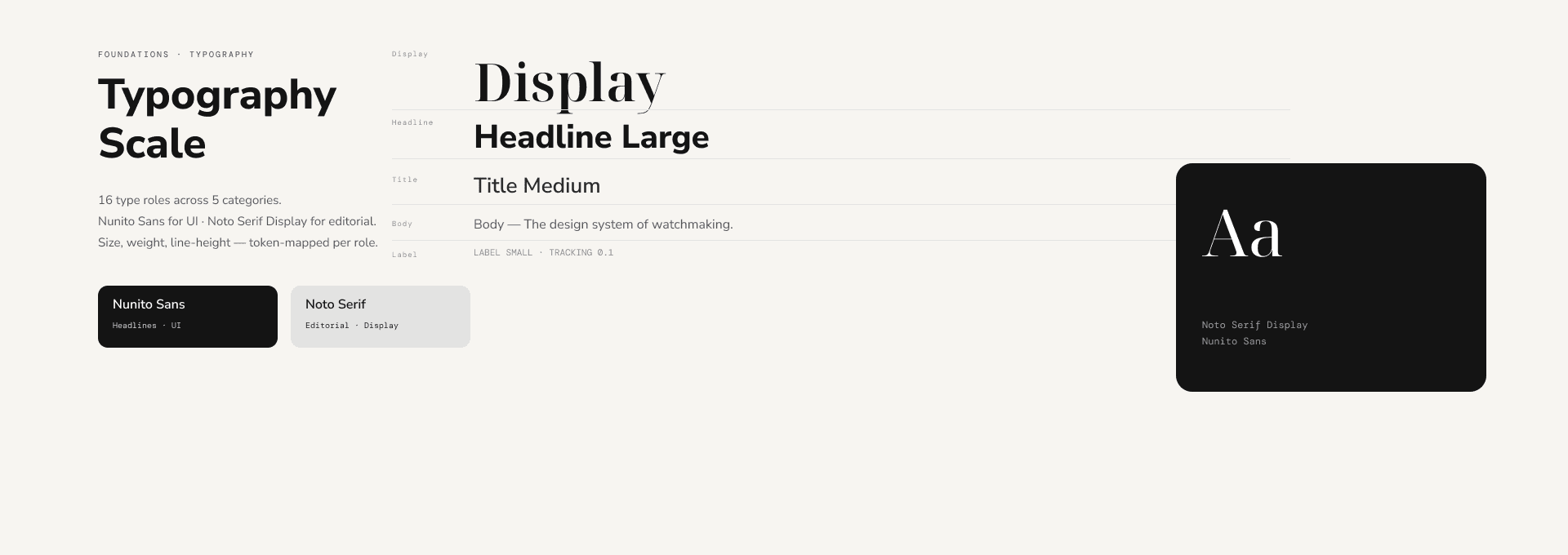
> GMT was designed as a token-driven system that brings structure and consistency to every layer of the interface. By integrating color, typography, spacing, and semantic roles, the system creates a unified visual language that is both predictable and flexible.
> Reusable components and standardized patterns enable faster decision-making while maintaining consistency across platforms. Instead of designing isolated screens, GMT establishes a cohesive system where every element works together to support clarity, scalability, and precision.
> GMT was designed as a token-driven system that brings structure and consistency to every layer of the interface. By integrating color, typography, spacing, and semantic roles, the system creates a unified visual language that is both predictable and flexible.
> Reusable components and standardized patterns enable faster decision-making while maintaining consistency across platforms. Instead of designing isolated screens, GMT establishes a cohesive system where every element works together to support clarity, scalability, and precision.

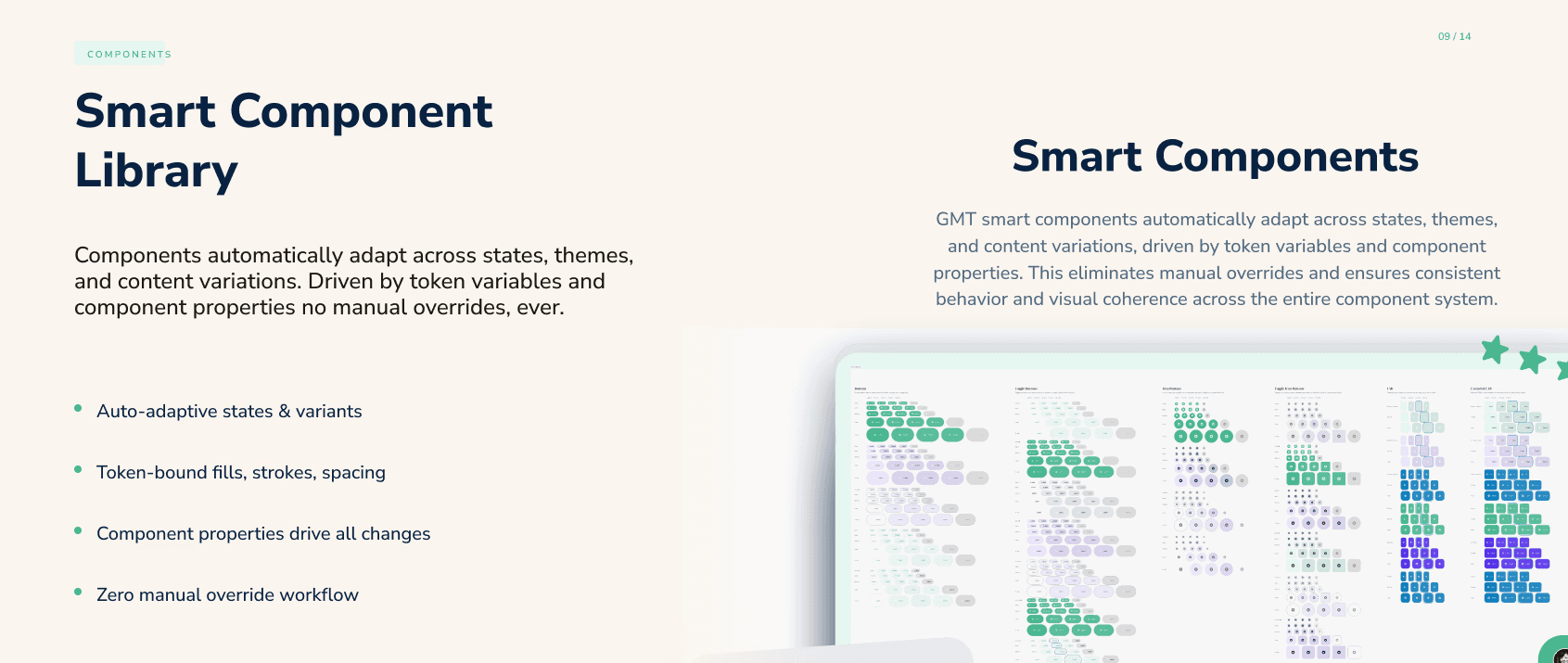
> The final system creates a cohesive and scalable design foundation that connects multiple platforms into a single unified experience. It improves consistency across interfaces while reducing design and development effort. Teams can now build faster with a shared language and predictable components. The system also ensures that the digital experience aligns with the premium and precise nature of the watchmaking industry.
> The final system creates a cohesive and scalable design foundation that connects multiple platforms into a single unified experience. It improves consistency across interfaces while reducing design and development effort. Teams can now build faster with a shared language and predictable components. The system also ensures that the digital experience aligns with the premium and precise nature of the watchmaking industry.
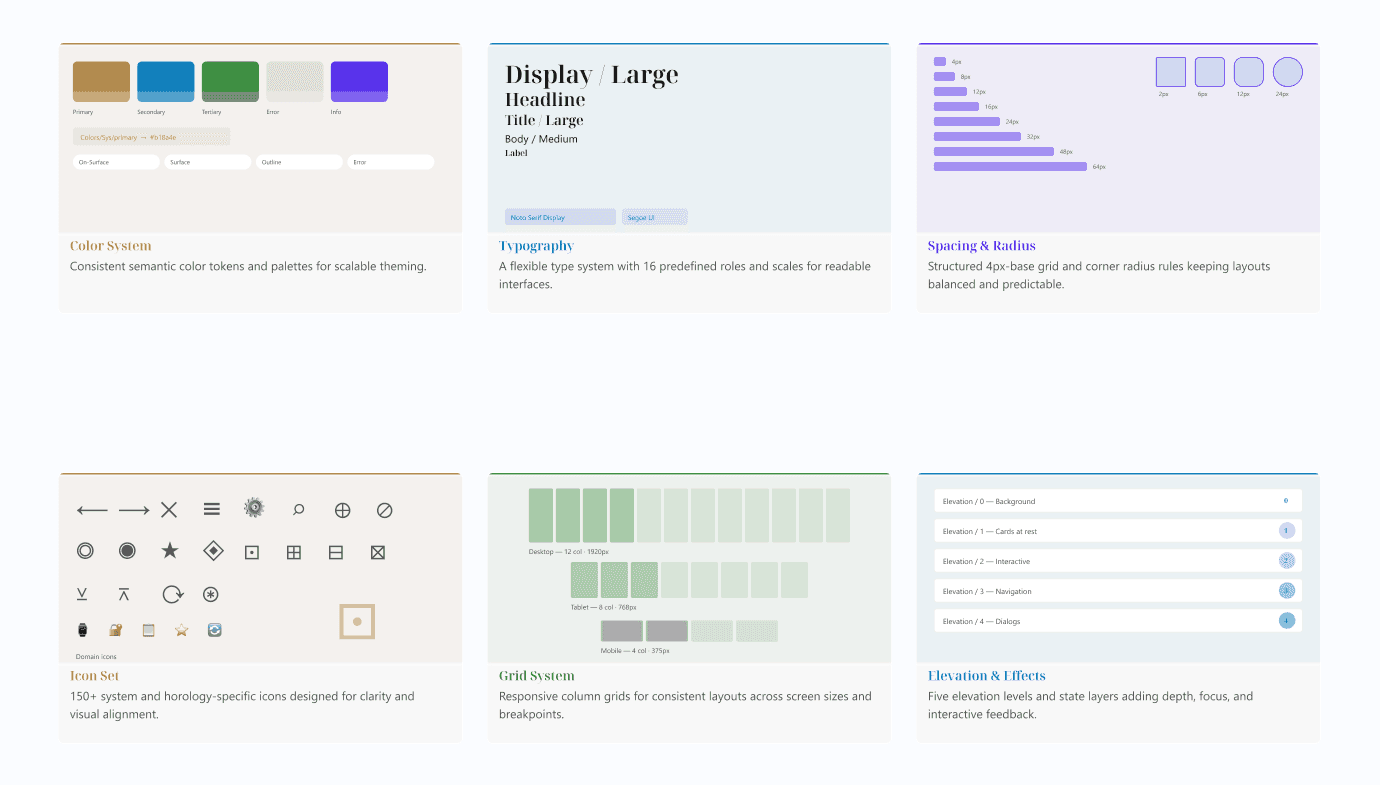
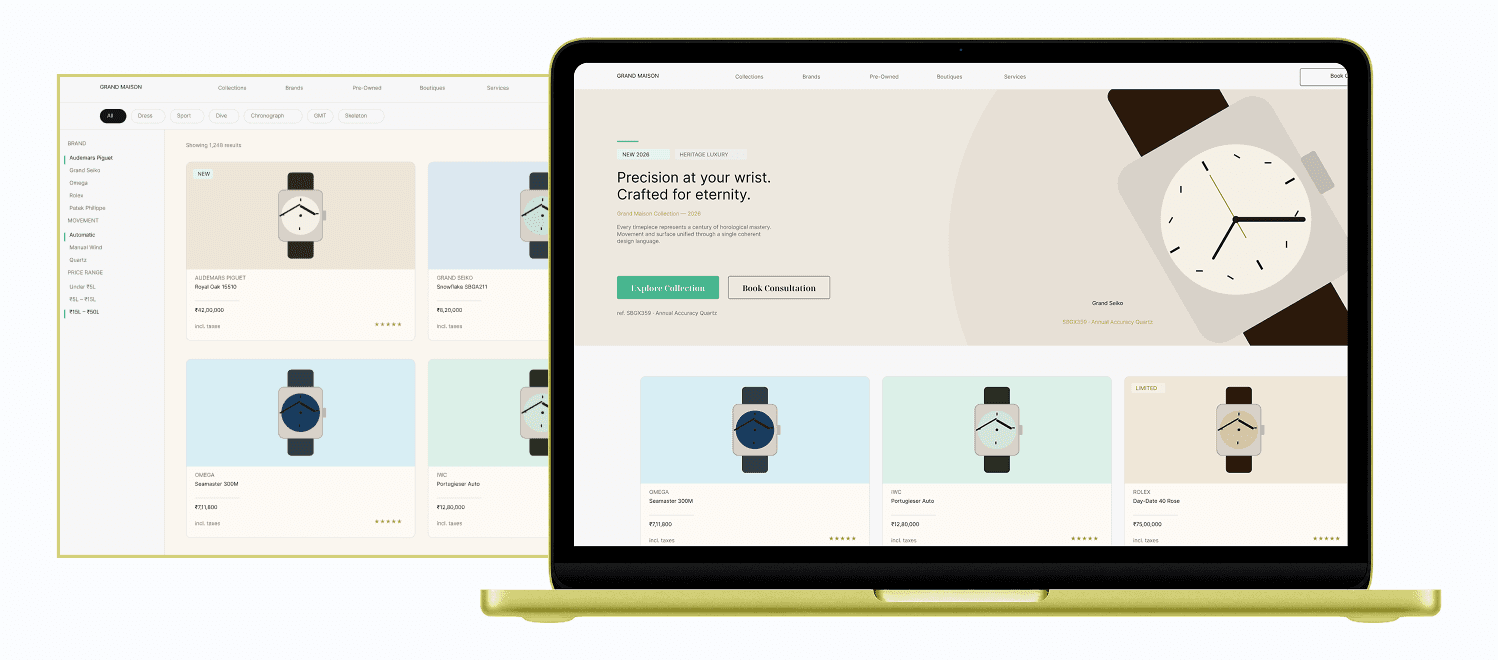

The system enforces consistency through token architecture, standardized components
The system enforces consistency through token architecture, standardized components
The system enforces consistency through token architecture, standardized components
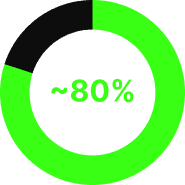
reducing design inconsistencies and implementation ambiguity, with Smart states reducing per-instance overrides
reducing design inconsistencies and implementation ambiguity, with Smart states reducing per-instance overrides

faster design decisions, predictable UI behavior, and improved cross-platform alignment with 4 themes switch primary/secondary without core changes
faster design decisions, predictable UI behavior, and improved cross-platform alignment with 4 themes switch primary/secondary without core changes
faster design decisions, predictable UI behavior, and improved cross-platform alignment with 4 themes switch primary/secondary without core changes
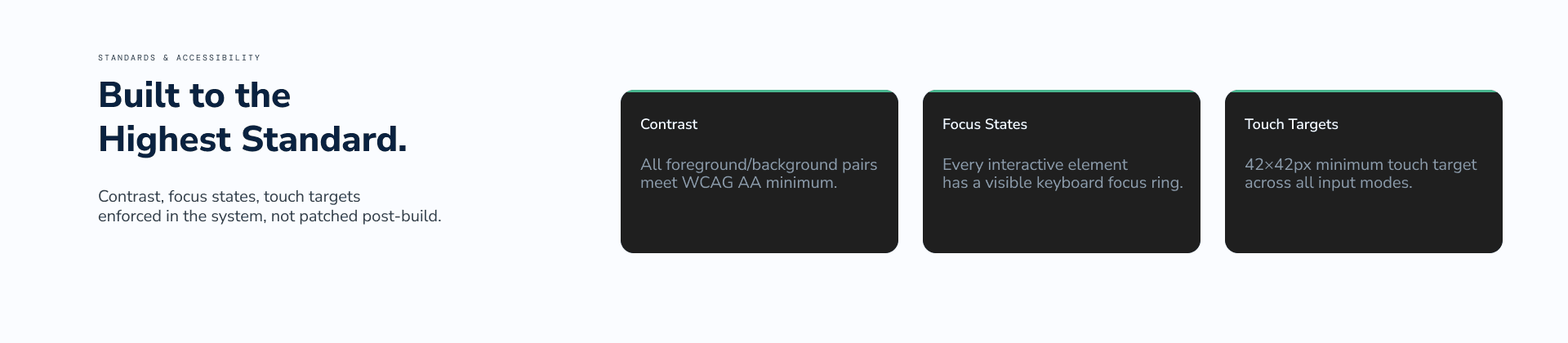
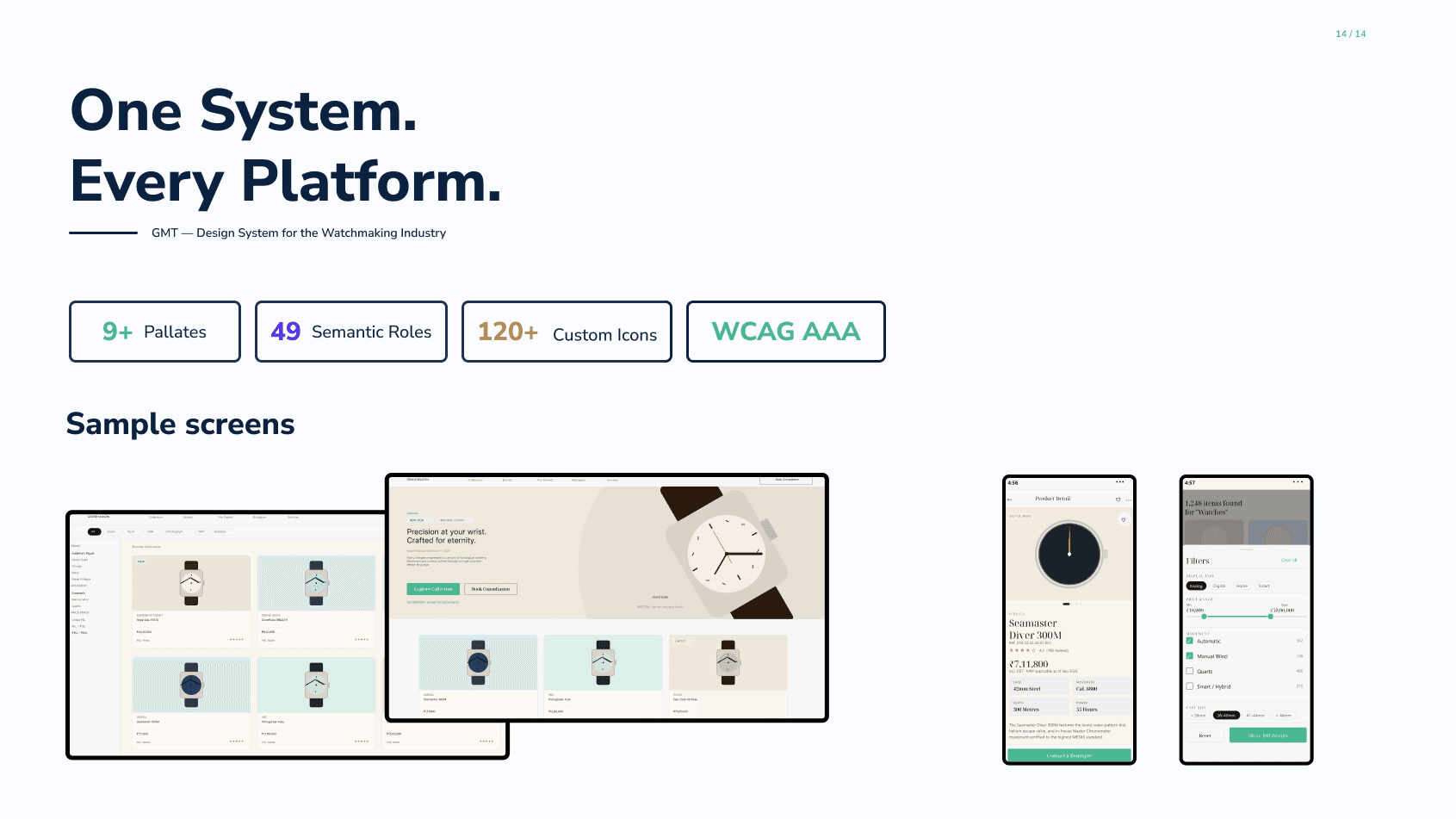
> GMT demonstrates how a well-structured design system can act as the backbone of a product ecosystem. It moves beyond visual consistency to enable better collaboration, scalability, and long-term maintainability. By aligning design with system thinking, the project creates a foundation that supports both creativity and precision.
> GMT demonstrates how a well-structured design system can act as the backbone of a product ecosystem. It moves beyond visual consistency to enable better collaboration, scalability, and long-term maintainability. By aligning design with system thinking, the project creates a foundation that supports both creativity and precision.


Reach out and let's create something amazing together. Let's achieve greatness.
Nashik,maharastra, india


Reach out and let's create something amazing together. Let's achieve greatness.
Nashik,maharastra, india
Reach out and let's create something amazing together. Let's achieve greatness.
Nashik,maharastra, india
Reach out and let's create something amazing together. Let's achieve greatness.
Nashik, maharastra, india